
21/10/2026 02:11
Can Customers Read the Parcel Label? YouTube Blur Checks for Cambodian Packing-Supply Shops
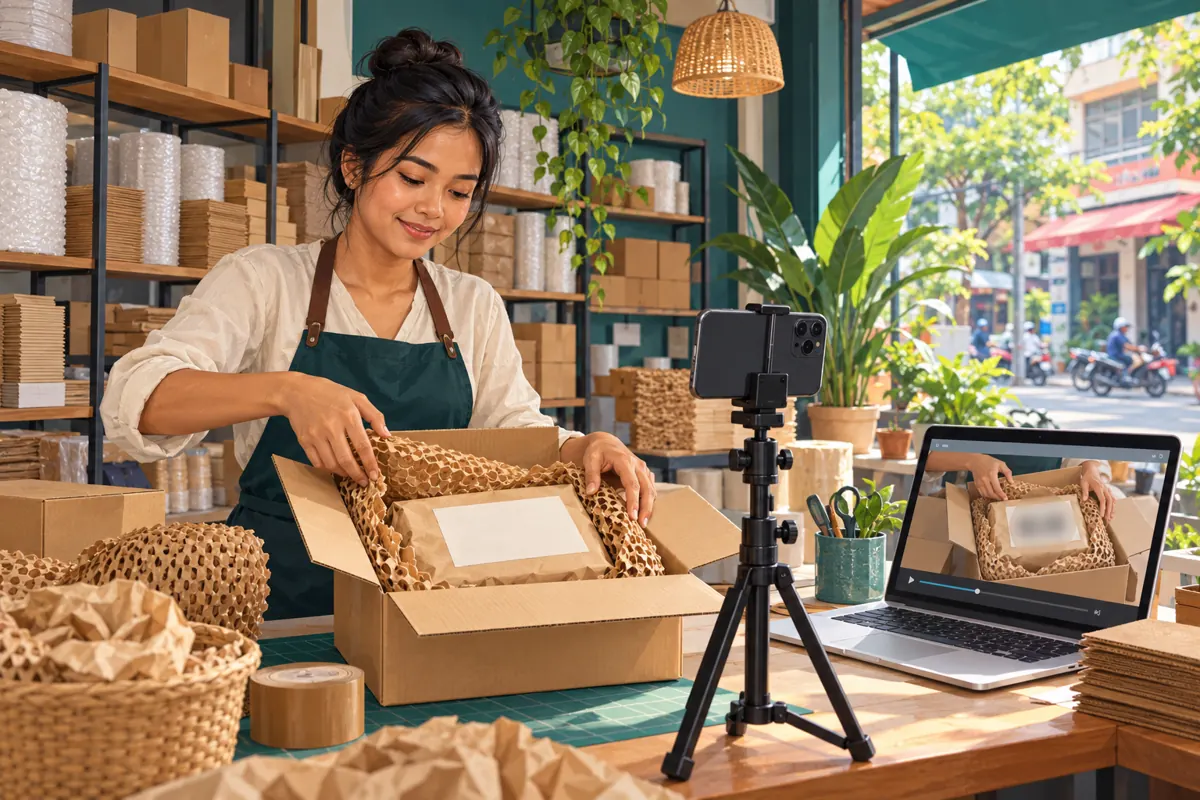
A useful packing demonstration can accidentally show more than cushioning and tape. When a shop turns a parcel toward the camera, its shipping label may reveal a customer's name, telephone number or delivery instructions. For Cambodian packing-supply businesses, the practical question is whether viewers can learn the technique without learning who ordered the goods. This guide explains how to inspect footage, choose between blurring and reshooting, and review the finished YouTube video before promoting it. It also explains why an SMM panel listing cannot establish that a video is ready for customers or that purchased engagement represents local demand.
1. Define what the demonstration needs to reveal
Start with one teaching objective: showing how to cushion a ceramic bowl, reinforce a carton corner or close a mailing pouch. Write down the details viewers must see to follow that step. The customer's address is rarely one of them. Separating essential product information from incidental order information makes the editing decision much easier.
Consider a hypothetical packing-supply shop in Phnom Penh filming a bowl-wrapping demonstration for small online sellers. The employee uses a returned carton because it is conveniently available. Its old shipping label becomes visible when the carton rotates. The lesson depends on seeing the cushioning around the bowl, so the team can replace the carton or obscure the label without weakening the explanation. This scenario is illustrative, not a report about an actual shop.
2. Inspect the whole scene before opening the editor
Watch the footage once for the packing lesson and again specifically for identifying details. Look beyond the main label: a duplicate sticker may sit on another side, an invoice may appear beneath the parcel, or a telephone screen may light up beside the workbench. Reflective tape and glossy surfaces deserve a closer look when they reveal something outside the intended frame.
Make a short review note for each occurrence using its playback position, the object involved and the proposed action. For example, record that a delivery slip appears when the bowl is lifted, rather than copying the customer's address into your notes. Include spoken information in the review. A visual blur cannot resolve a name or telephone number read aloud.
Ask a colleague comfortable reading Khmer to inspect Khmer writing, while another reviewer checks any English or numerical details they understand. Unfamiliar writing can look like harmless background decoration to someone who cannot read it.
3. Choose removal, reshooting or blur deliberately
For footage you have not uploaded, replacing the shot is often the cleanest editorial choice. Use an unused carton, remove old labels completely, and repeat only the affected demonstration step. Check for impressions or leftover markings after peeling off a sticker. A new blank label should fully cover the underlying information if you use it as a physical cover.
Blur is worth considering when the useful action is difficult to repeat and the identifying area stays separate from the lesson. Reshoot when the parcel repeatedly turns, several labels overlap, or the necessary blur would hide the tape seam you are teaching. Do not spend an afternoon preserving a confusing shot merely because the original take looked attractive.
If exposed details are already public, pause further promotion and restrict the video's visibility while reviewing it. YouTube distinguishes Private from Unlisted: anyone with an unlisted link can watch and reshare it. Unlisted therefore is not an appropriate substitute for controlled access to sensitive footage. See YouTube's official privacy guidance in the sources.
4. Apply custom blur to the identifying area
On a computer, open YouTube Studio, select Content, choose the video and open Editor. Under Blur, choose Custom blur for a parcel label. Adjust the box over the information. YouTube provides rectangle and oval shapes, resizing, timing adjustments and multiple blur areas. Track object follows movement; Fix blur position keeps the area stationary. The official instructions are linked in the sources.
Cover the complete identifying area rather than a single line. Leave enough margin to account for the parcel's angle and movement, then check whether any characters remain recognizable. If the result is uncertain, return to the reshooting decision. A blurred appearance alone is not a reliable acceptance test.
Preserve your source footage before saving. YouTube states that, since June 2025, saved Studio Editor changes cannot be undone through Revert to original. Its help page also notes editing restrictions for some unedited videos above 100,000 views, with exceptions. Check the current guidance if saving is unavailable.
5. Check every movement and transition
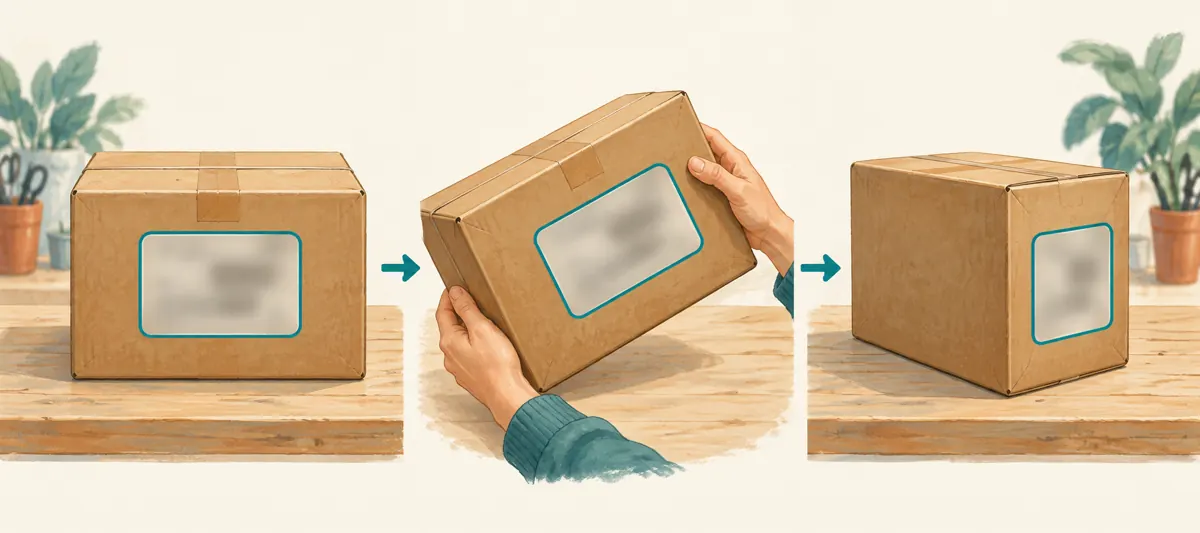
Treat the rotating parcel as a sequence of different views. Inspect the moment it enters the frame, the turn toward the camera, any pause, and the moment it leaves. Pay particular attention when a hand passes across the label or the camera changes angle. These are useful inspection points because the visible shape and location of the information change.
In the hypothetical bowl demonstration, the front label disappears behind an employee's hand and returns at an angle. The reviewer should inspect the returning label rather than assuming that an earlier covered frame proves the entire sequence is covered. The same applies when a cut returns to a wider shot containing the carton.
Use a concrete acceptance rule: no identifying characters are readable anywhere in the reviewed sequence, and the packing action remains understandable. If either condition fails, revise the edit or replace the shot. Do not accept a defect because it is visible only briefly; viewers can pause.
6. Review the finished viewing experience
After the edit finishes processing, inspect the actual playback version before distributing its link. Watch at a clear available resolution on a larger screen, then review on a phone. The larger view helps expose readable details; the phone check shows whether the remaining demonstration is easy to follow in a compact presentation.
Listen with sound as well. Check whether a staff member speaks an identifying detail while discussing the parcel. Review subtitles, the thumbnail, description and any separate promotional images for the same issue. Treat every exported teaser as its own asset requiring review, rather than assuming that checking the main video covers all related materials.
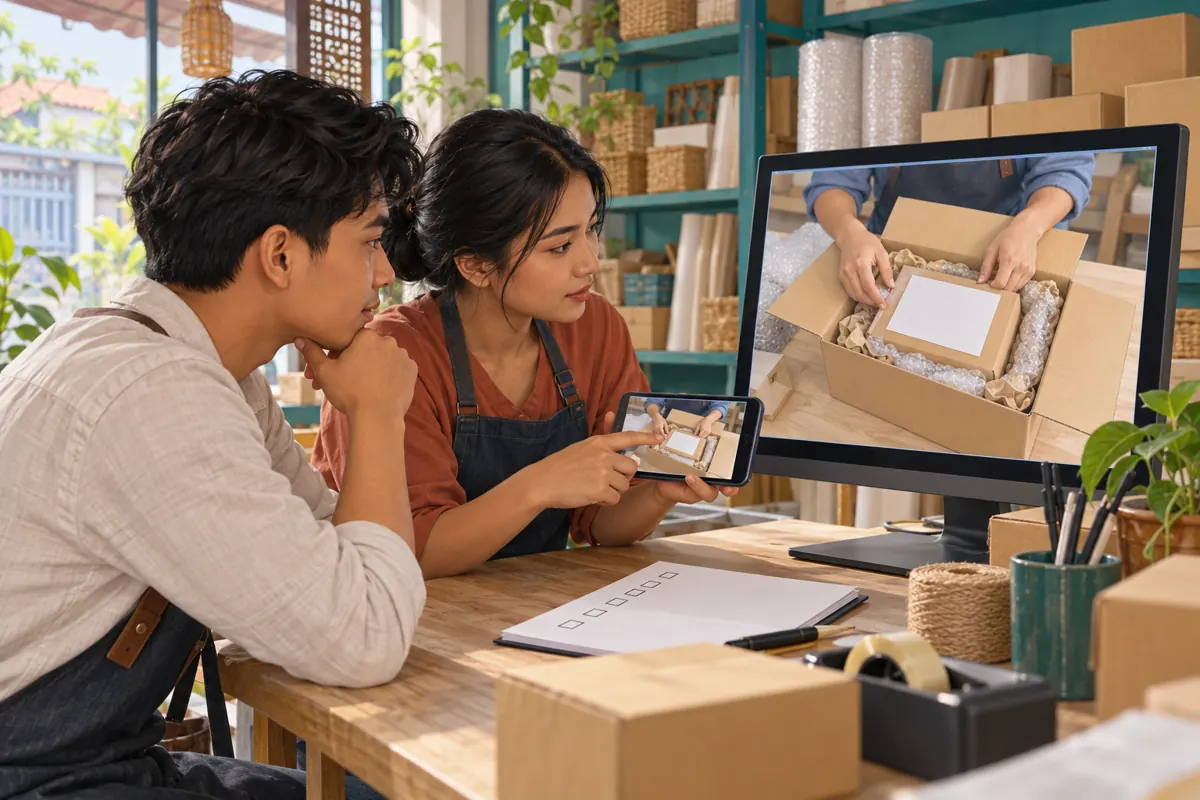
Give the reviewer a narrow task: identify any exposed information and explain whether the packing method remains clear. Record the reviewed video reference, date and decision. Avoid filling the review sheet with praise or general impressions that leave those two questions unanswered.
7. Keep the promotion decision separate from panel delivery
A video passing editorial review does not make every promotion method suitable. YouTube's fake engagement policy prohibits artificial increases in views, likes and other metrics. It also says a hired promoter's actions can affect the channel. Before paying for promotion, establish the actual method and reject arrangements that depend on artificial engagement. The official policy is included in the sources.
The supplied catalogue includes the exact public service name “YouTube - Subscriber ~ Max 1M ~ 100-500/days ~ 0-12 hrs ~ 𝗥𝗘𝗙𝗜𝗟𝗟 30D”. Its description is empty. The title identifies a subscriber offering, but provides no independently supported explanation of delivery methods, audience origin or policy compliance. Its wording should not be treated as verified performance evidence or a recommendation.
For this packing tutorial, purchased engagement would not demonstrate genuine interest, sales, advertising delivery or Cambodian viewers. If considering any SMM panel expenditure, leave it uncommitted until its method is understood and compatible with platform rules. Budget can instead support a clearer demonstration, Khmer narration or legitimate distribution to an audience that chooses to watch.
8. Give interested viewers a useful next step
Once the video is ready, connect the lesson to a practical enquiry. A hypothetical closing instruction could invite viewers to send the dimensions of their product and say whether it is fragile. Explain what the shop needs to recommend suitable packing materials. Do not ask people to post a complete delivery address in public comments just to receive basic product advice.
Keep the offer consistent with the demonstration. If the tutorial shows paper cushioning sold separately from cartons, state that distinction. Use the language your intended customers understand, and have Khmer explanations checked for meaning. An English article or service dashboard does not require the business to switch its customer-facing language.
Evaluate responses by their content. Questions about carton dimensions, cushioning material or collection arrangements can guide the next tutorial. Record such questions without turning them into sales unless an order is actually confirmed. A useful enquiry and a completed purchase remain different business events.
9. Avoid mistakes that make privacy edits harder
The first mistake is reviewing only the most obvious close-up. Wide shots can contain another parcel or an invoice in the background. The second is covering the name while leaving a telephone number or tracking identifier visible. Review the entire label and surrounding paperwork as one information problem.
Another mistake is using an oversized blur that hides the demonstration itself. If viewers cannot see where the cushioning goes, the edit has protected information but weakened the lesson. Change the framing or reshoot rather than asking viewers to infer the missing action.
Finally, do not describe a corrected video as proof that nobody previously saw the information. Editing cannot establish that conclusion. If another team member distributed an earlier version, identify the places you control and update those materials. Keep any communication with an affected customer factual, specific and private.
10. Build a reusable filming setup
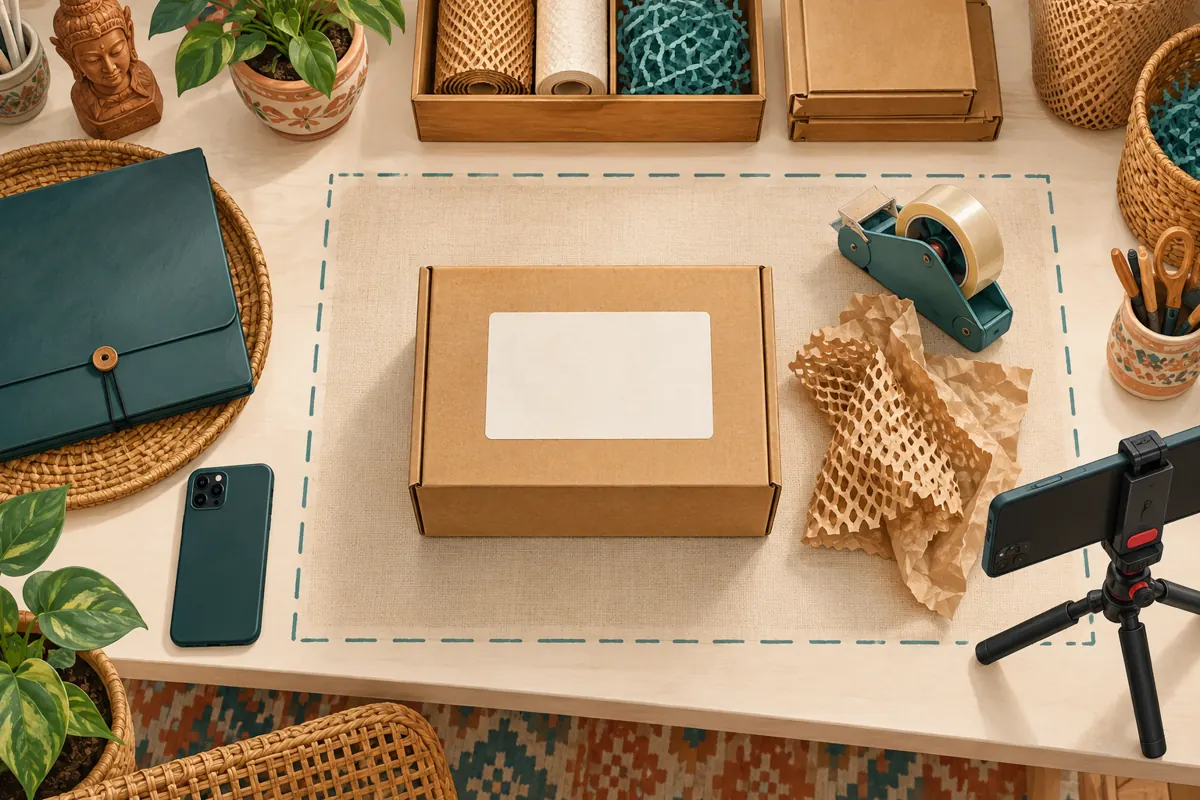
Create a small demonstration kit containing unused cartons, blank labels, sample products and clean packing materials. Store it separately from customer orders. Before filming, clear the background, turn unrelated screens away and check every side of the carton. This preparation reduces the amount of corrective editing required later.
Assign one person to approve the teaching content and another to inspect identifying details when staffing permits. In a one-person business, separate those reviews with a break and use the same written checklist each time. The important habit is changing your attention deliberately instead of expecting one casual viewing to catch everything.
Keep an approved clean version for future promotional excerpts. When the product, packaging or offer changes, review the reused footage again for accuracy. A well-prepared tutorial should remain useful because its explanation is clear and its context is honest, not because a counter makes it appear popular.
Frequently asked questions
Is covering the customer's name enough?
No. Inspect telephone numbers, addresses, delivery notes and tracking identifiers as well. Information elsewhere in the scene may identify the same order. Review the whole frame and soundtrack, then remove or obscure everything unnecessary to the packing lesson.
Should I blur a label or film the demonstration again?
Reshoot when a clean carton is readily available or the identifying area overlaps the technique you need to show. Consider blur when the useful action is difficult to repeat and the label can be concealed consistently. Judge the finished result by both privacy and teaching clarity.
Does checking the editor preview finish the review?
No. Make finished playback a separate approval step after processing. Inspect moving sections and transitions again, then review the thumbnail and promotional extracts independently. The decision should concern the version customers will actually encounter, rather than only the editing workspace.
Can subscriber delivery prove this tutorial reaches Cambodian buyers?
No. A subscriber count or service delivery record cannot establish a person's location, genuine interest or purchase intent. The supplied listing has no descriptive evidence supporting those conclusions. Evaluate actual customer questions and confirmed transactions separately, and follow YouTube's rules against artificial engagement.
What should a small shop record after approving the video?
Keep the video reference, review date, reviewer and any unresolved issue. Record where approved extracts will be used so they can be updated later. Avoid reproducing customer details in the review log; identifying the affected scene and the correction is usually sufficient.
Explore the current service catalogue, create an account, or ask a specific question through support tickets.
- YouTube Help: Blur your videos
- YouTube Help: Change video privacy settings
- YouTube Help: Fake engagement policy
Prepared with AI assistance. Illustrations explain the workflow and do not represent customer results.