
21/10/2026 05:36
Should the Like Count Lead? Instagram Display Choices for Cambodian Jewellery Workshops

A handmade earring photograph can attract attention while leaving the buyer’s main questions unanswered. How long are the earrings? What are the hooks made from? Is the pictured box included? For a Cambodian jewellery workshop promoting its work on Instagram, those details deserve more attention than the number beneath a heart icon. Choosing whether to display like counts can support that editorial approach, but the setting cannot repair an unclear offer or establish customer demand. This guide explains how to make the display decision, prepare a useful product post and review enquiries without confusing social reactions, SMM service records and confirmed purchases. The workshop examples below are hypothetical, not customer testimonials or reported results.
1. Start with the decision a buyer needs to make
Imagine a hypothetical Phnom Penh workshop introducing a pair of leaf-shaped brass earrings. The owner likes the photograph but worries that a modest visible like count will make the design appear unpopular. Before changing settings or considering a panel service, write down the post’s actual job: help someone decide whether to ask about this design, its materials and collection options.
That purpose gives the team something concrete to improve. A photograph showing the full drop, a close view of the fastening and a clear statement about packaging all help a buyer assess suitability. A popularity total cannot answer those questions. Decide what a useful next message would contain, such as the design reference and whether the person wants collection or delivery, before deciding how the post should look.
2. Understand the two different visibility choices
Meta describes separate choices for hiding counts on posts you see and hiding counts on your own posts. The first concerns your browsing experience; the second concerns the public presentation of your content. Meta also says you can choose before sharing and change the choice after publication. These distinctions are documented in its announcement, Giving People More Control on Instagram and Facebook.
For the workshop, write the intended action precisely: hide the public like count on the earring post. A general instruction such as “turn off likes” is ambiguous. It could send a colleague into the controls for their own feed instead. Treat the choice as presentation, not a promise of privacy, stronger distribution or additional orders. The supporting announcement does not establish those business outcomes.
3. Choose a consistent reason for showing or hiding
Hiding may suit a workshop that wants product photographs and explanations to carry the presentation. Showing may suit an owner who prefers the ordinary public display and does not find the number distracting. Neither preference needs a dramatic announcement. Choose a rule the team can explain, such as using the same presentation for every design in one collection.
Avoid deciding only after checking which design appears more popular. Selectively hiding weak-looking totals while advertising strong-looking ones encourages the team to treat appearances as the objective. A consistent approach also makes handovers easier: the photographer, caption writer and owner know what to expect. Record the reason in one sentence and choose a review date. There is no need to revisit the setting whenever someone reacts.
4. Make the change on the intended post and verify it
On the workshop’s own Instagram post, inspect its options for a control describing like-count visibility. For a new post, inspect the settings available before sharing. Read the wording currently shown in the app rather than relying on an old screenshot or memorised menu path. Confirm that the control concerns the workshop’s post, rather than counts on content the owner browses.
Then have a colleague view the exact post through their own ordinary account and describe what appears beneath the photograph. They do not need the workshop password. Keep a brief note of the post reference, chosen display and check date. If the relevant control is absent or unclear, consult Instagram’s in-app help before continuing. Do not delete a useful product post simply to chase a particular interface layout.
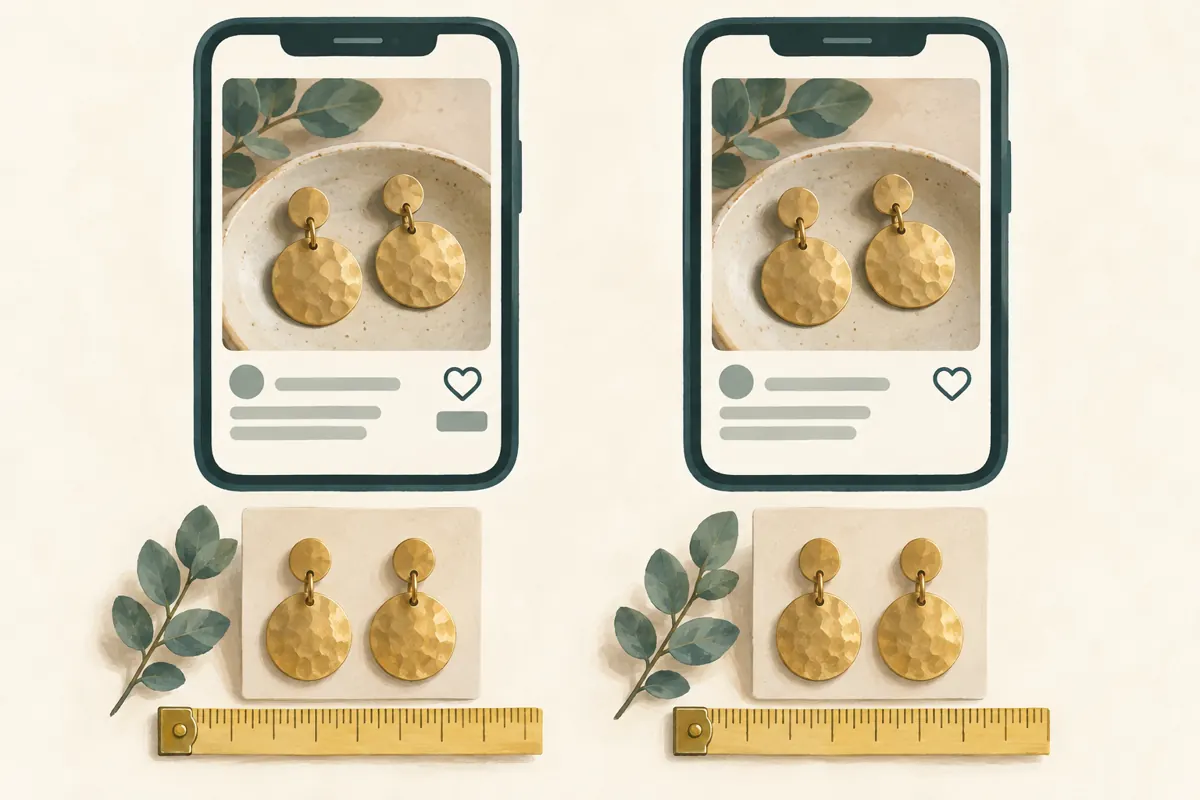
5. Give the photograph enough information to stand alone
Prepare the earring presentation in three parts: an overall view, a scale reference and a fastening detail. Use the actual item offered, with lighting that does not disguise its finish. If a photograph includes a display stand or gift box, state whether that accessory is included. Keep the design reference readable so that a customer can identify it without describing “the gold-looking one”.
For a Cambodian audience, decide which language the intended buyers comfortably use and have a fluent colleague review the caption. Preserve material names accurately across languages. Brass, plated metal and gold should not become interchangeable descriptions. Specify the price currency, what the quoted amount covers and any delivery charge that remains to be confirmed. These are practical purchasing details, not decorative caption extras.
A hypothetical caption brief might read: identify the leaf design, state its measured drop, describe the verified hook material, explain packaging and ask buyers to send the design reference for availability. Fill each field from workshop records. Avoid broad assurances such as suitability for every sensitive ear when the business cannot substantiate them.
6. Turn attention into a manageable enquiry
Give the reader one clear next step. For example, ask them to message the design reference and say whether they need local collection or delivery elsewhere in Cambodia. Request a general destination first; there is no reason to ask someone to post their home address publicly. Explain that stock and delivery arrangements will be confirmed in the conversation.
Prepare a matching response for the staff member handling messages. They should verify the requested design, answer the material question and check availability before discussing fulfilment. If the buyer asks for an alteration, separate that request from the ready-made item shown. A heart reaction does not reserve a pair, and a conversation does not become an order until the workshop’s stated confirmation process is complete.
This workflow makes promotion operationally useful. It also exposes missing information: repeated questions about earring length suggest that the scale view or caption needs improvement, regardless of how attractive the public engagement looks.
7. Assess an SMM listing without adopting its claims
The supplied pay-smm.com catalogue includes “Instagram - Likes ~ 𝗥𝗲𝗮𝗹 𝗠𝗶𝘅𝗲𝗱 ~ Max 500k ~ 100k/Days ~ 0-5 Minute ~ 𝐍𝐎 𝗥𝗘𝗙𝗜𝗟𝗟”. Its title identifies an Instagram likes offering, but the supplied description is empty. The wording therefore does not independently verify account authenticity, audience location, delivery performance or business value. Do not translate “Mixed” into Cambodian buyers or treat the title’s timing as an established outcome.
There is also a platform boundary: Instagram’s Community Guidelines tell users not to artificially collect likes, followers or shares. A listing’s presence in a panel does not establish that using it complies with Instagram’s rules. Hiding a public count does not resolve that issue. For this workflow, the appropriate response to a desire for manufactured popularity is to improve the product presentation and pursue genuine audience interest instead.
If the business already has a service record, preserve it as a record of that transaction. Purchased engagement is not evidence of genuine interest, Cambodian users, sales or official advertising delivery. Do not turn a delivery status into a statement that customers preferred the leaf design.
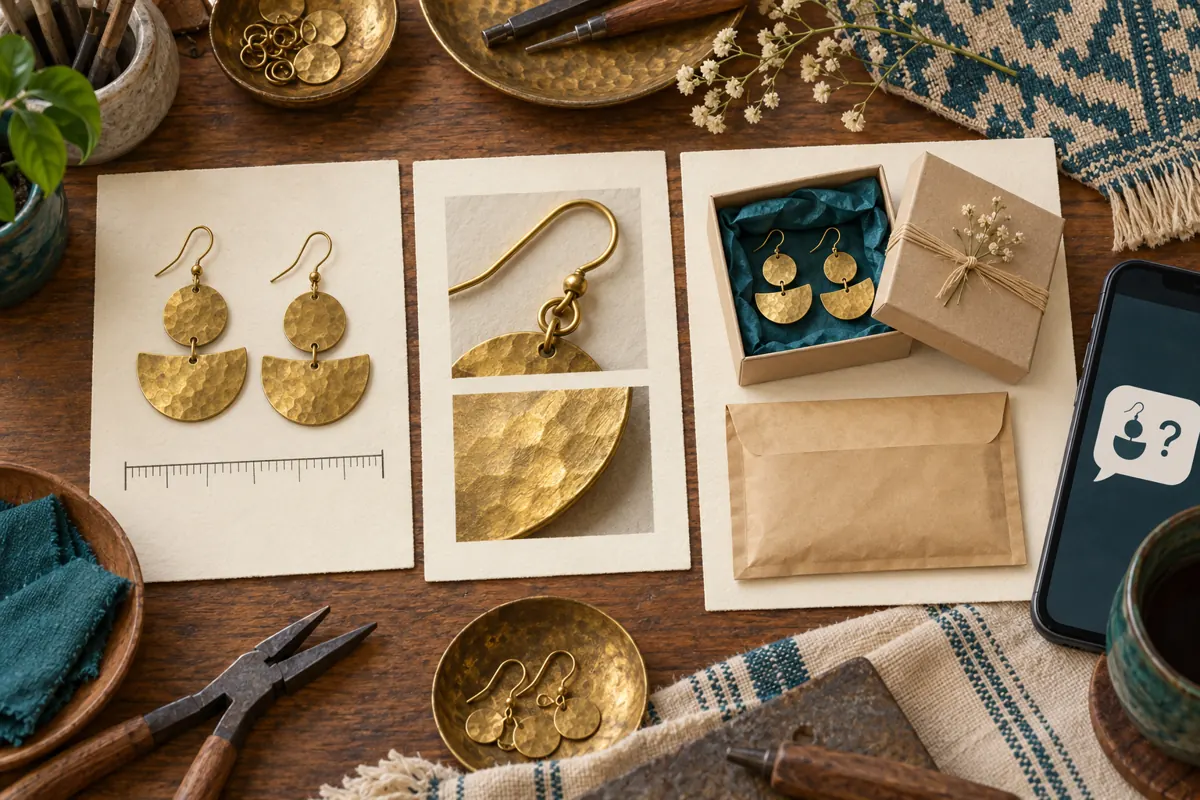
8. Keep reactions, enquiries and orders in separate records
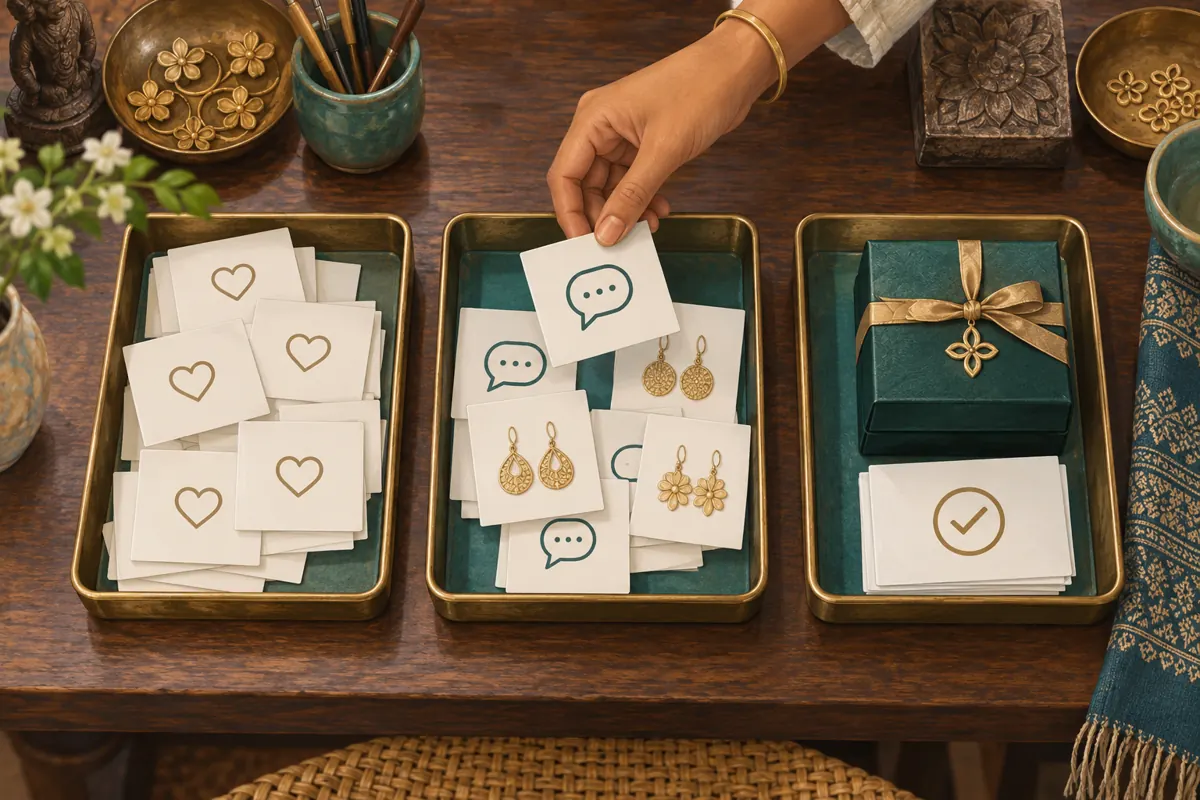
Use a small review sheet with distinct fields for the post reference, display choice, publication date, genuine product questions and confirmed orders. Record any promotional activity separately, including its date and nature. This prevents the person reviewing the collection from treating every change around the post as a customer response.
Describe enquiries by substance: hook material, gift packaging, delivery destination or custom length. Count a continuing conversation consistently rather than treating every reply as a new prospect. Keep personal information out of the editorial review; an internal reference is sufficient when staff need to follow up.
In a hypothetical review, several people ask whether a design comes in a shorter version. That is a reason to clarify available sizes or investigate a product option. It is not proof that a shorter version will sell. Likewise, a confirmed purchase belongs in the order record, but it does not prove that hiding a count caused the sale.
9. Review the choice without inventing a marketing experiment
Choose a manageable period, such as the duration of one collection launch, and keep a note of other changes. Did the workshop alter prices, introduce gift packaging, attend a market or share the post through another channel? Those events can affect enquiries. A before-and-after comparison cannot isolate the count setting when the offer and exposure also changed.
At review time, ask practical questions: did staff spend less time worrying about visible popularity, did customers identify the correct design, and which missing details slowed replies? Keep, reverse or postpone the display choice based on the presentation the business wants. Do not label it a sales improvement unless you have evidence that supports that conclusion.
Make the next content change narrow and useful. If buyers could not judge the fastening, add a clear detail photograph to future posts. If delivery questions dominated, explain the confirmation process earlier. These decisions remain worthwhile even when there is too little information to draw a wider marketing conclusion.
10. Avoid fixes that create a different problem
One mistake is replacing clear specifications with flattering language because the photograph looks polished. Another is interpreting a hidden total as zero interest. A third is using a panel record to describe a design as a customer favourite. Each confuses presentation with evidence. Keep product claims tied to verified facts and customer claims tied to actual customer behaviour.
Do not spend the launch repeatedly toggling the setting, reposting the same earrings or asking staff to manufacture supportive comments. Use that time to answer unanswered material questions and correct availability information. If an item sells out, update the offer clearly rather than leaving a convincing photograph attached to an unavailable promise.
Finally, give the next staff member a simple handover: which post is current, how its count is intended to appear, who answers messages and where stock is checked. That small operational step helps a carefully prepared social post remain accurate after the person who created it finishes work.
Frequently asked questions
Will hiding the count make the jewellery post reach more Cambodian buyers?
Do not plan around that assumption. The official guidance cited here establishes a visibility choice, not a distribution or location-targeting benefit. Make the post relevant through accurate product details, suitable language and clear fulfilment information. Evaluate actual enquiries separately from the display preference.
Should a new workshop hide counts until it becomes established?
It can choose that presentation, but business age alone does not determine the right answer. Decide whether displaying the total helps the experience you want customers to have. Apply the choice consistently across the launch rather than waiting for a number that feels impressive.
What if we already purchased likes before adopting this workflow?
Keep the transaction record and note that engagement history when reviewing the post. Do not describe the total as independent customer approval or infer buyer location from it. Review the platform rules before further activity and build future decisions around genuine questions and verified orders.
Can we judge which design to make next from likes alone?
Likes alone do not establish willingness to pay, preferred dimensions or acceptable delivery terms. Use them cautiously alongside direct requests, workshop capacity and actual purchasing behaviour. If customers request a variation, clarify their requirements before committing materials to production.
What should we do when customers ask why the count is hidden?
Give a straightforward explanation if asked: the workshop prefers to focus its product posts on the designs and their details. Avoid suggesting the setting conceals confidential sales information. Answer the customer’s underlying concern with accurate materials, availability and ordering information.
Explore the current service catalogue, create an account, or ask a specific question through support tickets.
Prepared with AI assistance. Illustrations explain the workflow and do not represent customer results.