
30/10/2026 21:50
Manage page promotion with clear responsibilities: SMM Panel approvals: attaching the target to the decision | Pay SMM
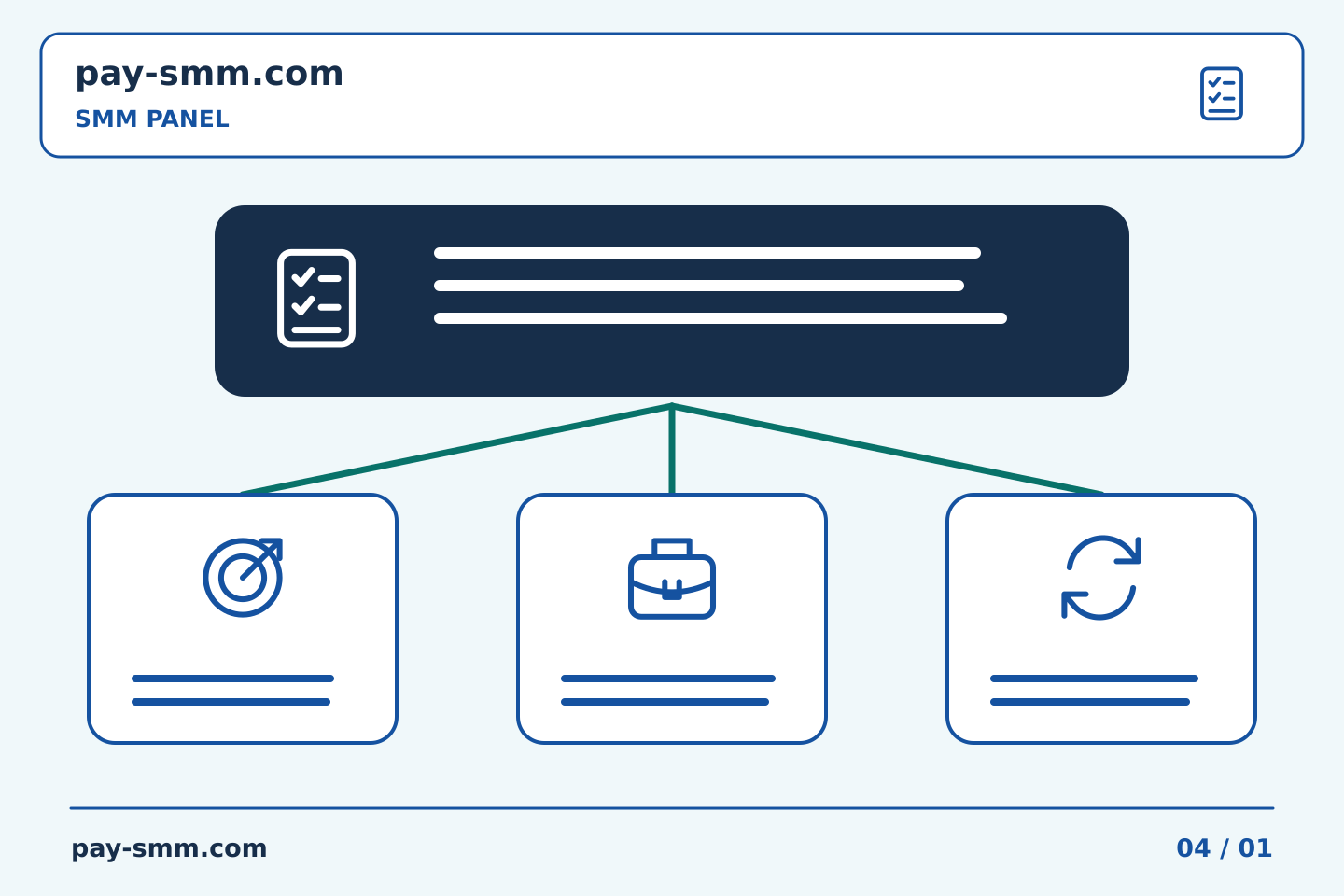
A promotion plan is easier to manage when each step has a named owner, a current instruction and a clear record. This SMM Panel guide follows the handover from planning to execution and from a service response to a useful follow-up. Check what has changed before repeating an earlier action. Record the target and agreed spending limit, then keep delivery evidence separate from audience interest. When information is missing, resolve the question before adding another order. Clear working notes help the team improve content and explain decisions without presenting service counts as proof of customer trust or sales.
Contents
- Give people a reason to follow, not only a number to notice
- Build a sequence of content that deserves another visit
- Define the limited role of an SMM Panel service
- Measure useful response and decide what to improve next
- SMM Panel approvals: attaching the target to the decision
- SMM Panel project lists: checking approvals before a batch of tasks
- SMM Panel spending reviews: explaining an unusual task charge
- Rechecking an older approval before buying through an SMM Panel
- SMM Panel price discussions: explaining a quote without ambiguity
- SMM Panel records: keeping funding references separate from order IDs
- SMM Panel chats: summarizing the agreed purchase before acting
- When an SMM Panel minimum quantity exceeds the planned task
- SMM Panel client intake: clarifying budget authority before choosing extras
- SMM Panel estimates: turning a price range into an approved amount
- SMM Panel tasks after a client changes the brief
- Labeling SMM Panel spending across several internal projects
- SMM Panel approvals: stating what a budget does not include
- SMM Panel cost evidence: linking a charge to the correct task
- SMM Panel quantities: distinguishing a spending limit from a requested amount
- Reconciling rounded estimates with an SMM Panel charge
- SMM Panel approvals: confirming what a short client reply refers to
- SMM Panel limits: questions to ask before splitting a large task
- Frequently asked questions
Give people a reason to follow, not only a number to notice
Start by writing one sentence about the person the page helps and the problem it addresses. A visitor should be able to recognise that promise in the page description and in a representative post. Show useful information before asking for a follow: a clear demonstration, an answer to a common question, or a practical comparison. Make contact details and the next step easy to find. A higher visible count is not a substitute for this preparation, and it should not be presented as proof of satisfied customers or independent recommendations.
Build a sequence of content that deserves another visit
Treat promotion as the beginning of a content sequence rather than the end of a single post. For example, prepare an explanation of a problem, a demonstration of a possible solution, and a follow-up answering genuine questions. This is an illustrative plan, not a guaranteed growth formula. Match each title to what the content actually delivers, and ask for one relevant action instead of several conflicting ones. Review whether visitors can understand the message without knowing the business already. Keep the publishing pace realistic so the team can also respond to useful enquiries.
Define the limited role of an SMM Panel service
Review the current catalogue before assuming the website offers a particular platform, audience or result. Check the accepted link type, service description, quantity limits and full task cost. Where a service involves purchased engagement, do not describe its delivered count as organic interest or verified customer demand. Check the applicable platform rules and use compliant promotion methods. Keep a separate allowance for content production and customer care. A cheaper unit rate does not automatically make a campaign more useful, and placing another order is not a substitute for improving an unclear post.
Measure useful response and decide what to improve next
Record a starting point and choose a review period before the campaign. Look separately at available viewership information, voluntary questions, enquiries and business records; do not merge these into one success claim. Compare similar content and note other changes such as advertising, offers or posting frequency. A difference after promotion does not by itself establish its cause. When the evidence is limited, say so. Use the review to choose one improvement for the next publication, such as a clearer demonstration or answer, rather than automatically increasing the next purchase.
SMM Panel approvals: attaching the target to the decision
An approval is easier to use when it contains the exact target rather than referring to a link several messages earlier. Keep the selected service, quantity and proposed charge beside that target. This reduces the chance that a later replacement link will be mistaken for the object originally approved.
Before submitting, compare the form with the complete decision record. If the target changed, return that difference for review rather than assuming the approval follows every subsequent edit. Preserve the accepted reference with the final instruction so the connection remains clear after the conversation grows.
SMM Panel project lists: checking approvals before a batch of tasks
When a project contains several planned purchases, verify that each row has its own approved target, service, quantity and allowance. A project-level budget alone may not resolve which individual tasks should proceed. Mark unapproved rows clearly so an operator does not treat the whole sheet as ready.
After submission, attach accepted references to the matching rows and keep uncertain responses distinct. Review the actual combined spending rather than relying only on initial estimates. A structured list can organize work without implying that every selected service supports the same submission method or conditions.
SMM Panel spending reviews: explaining an unusual task charge
When one task differs from the usual internal allowance, look for the approved reason before labeling it an error. The quantity, target requirements or selected service may have changed. Compare the actual purchase record with its authorization rather than with an average alone.
Write a brief exception note that identifies the difference and the supporting approval. If the reason remains unclear, leave the item unresolved and ask the responsible person. Do not edit the historical amount merely to make a monthly summary look more consistent.
Rechecking an older approval before buying through an SMM Panel
Compare the approved target, service conditions, quantity and proposed total with the information available now. If the content was replaced or the listing changed, identify the difference explicitly. A stored approval is evidence of a past decision, not automatic permission to accept any later cost or requirement.
Ask the responsible person to review the material change and retain the updated instruction. Keep the older record for context rather than silently overwriting it. Once the order is accepted, link its reference to the version that actually authorized the purchase, making future review straightforward.
SMM Panel price discussions: explaining a quote without ambiguity
When discussing a possible purchase, state the quantity and pricing basis alongside the amount. A client can otherwise mistake a displayed unit rate for the full cost of the task. Distinguish a planning estimate from the total that will be reviewed immediately before submission.
If the selected service or quantity changes, refresh the quote and obtain the relevant approval. Preserve the accepted charge in the order record after purchase. Clear price language supports an understandable decision without suggesting that every future instruction will use the same rate or conditions.
SMM Panel records: keeping funding references separate from order IDs
Use separate labels for an account funding transaction and an accepted order. A payment note alone does not identify every purchase made afterwards. Link records through the task’s own bookkeeping process when appropriate, but preserve the original references so each event can be checked independently.
If the issue concerns available balance, explain the relevant funding event. If it concerns a service instruction, provide the order reference and observed status. Mixing both into one unexplained number can slow clarification, especially when several orders were placed after one account funding transaction.
SMM Panel chats: summarizing the agreed purchase before acting
A long discussion can contain abandoned options as well as the final choice. Write a compact summary of the agreed target, service, quantity and allowance before submitting. Invite correction when the discussion contains conflicting details rather than silently choosing one message as the decisive instruction.
Keep the confirmed summary in the task record and attach the accepted reference afterwards. This makes the actual purchase distinguishable from the many ideas considered during planning. A summary should preserve the decision, not expand it into additional work that was never reviewed.
When an SMM Panel minimum quantity exceeds the planned task
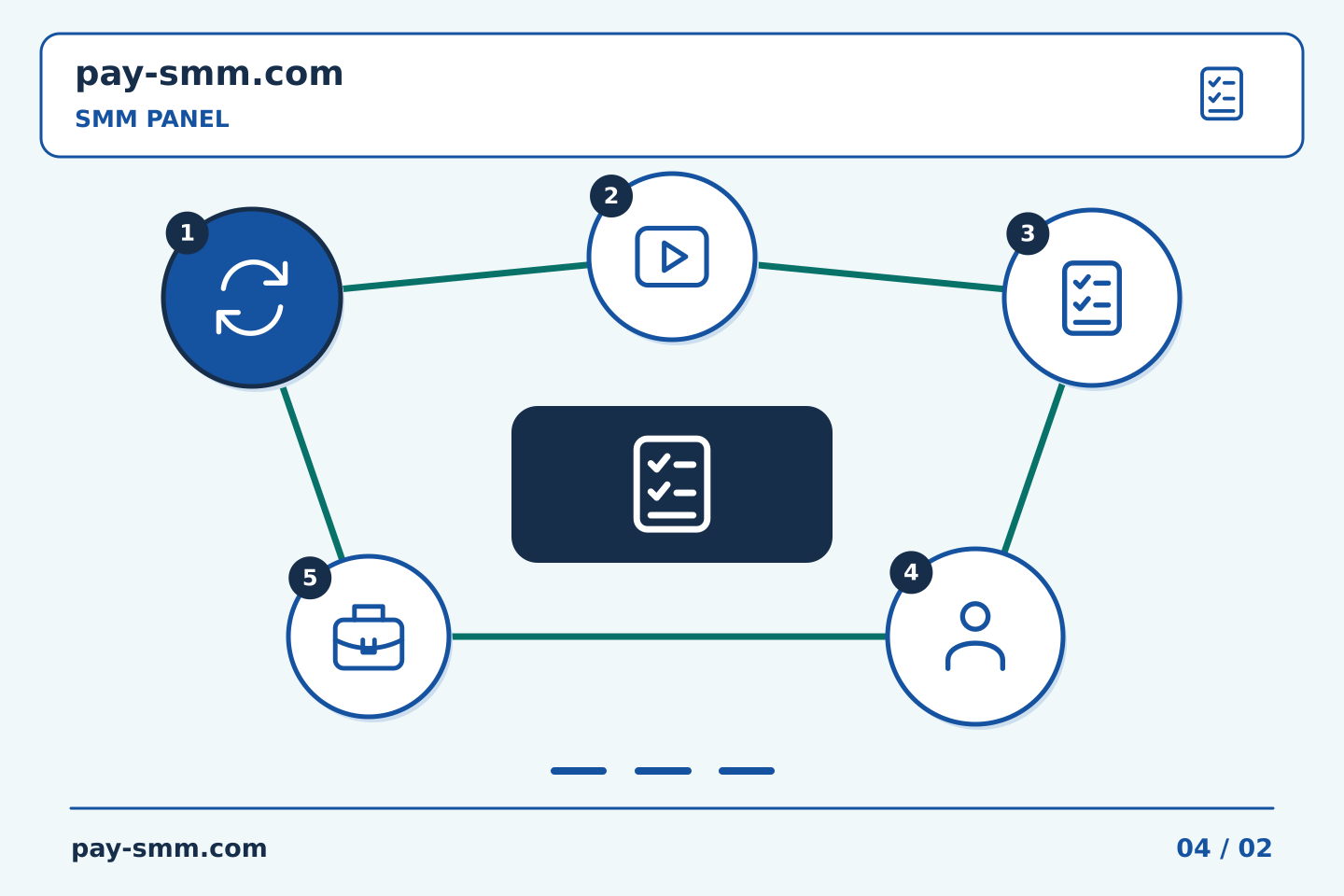
Write down the planned quantity and the listing’s stated minimum separately. Compare the charge for the smallest permitted order with the amount originally approved. A service that cannot accept the intended quantity may be unsuitable even when its displayed unit rate appears attractive.
Ask the task owner whether to revise the scope, consider another suitable listing or postpone the purchase. Do not silently raise the quantity to make the form accept the order. Preserve the decision with the final instruction so a later reviewer can see why the submitted amount differs from the original plan.
SMM Panel client intake: clarifying budget authority before choosing extras
Ask whether the client is requesting research, a quote or an actual purchase within an approved allowance. Those instructions authorize different actions. A conversation about possible services should not be interpreted as permission to add extras merely because the client expressed interest in several options.
Once the purchasing scope is clear, connect the selected target, quantity and proposed total to that approval. Keep optional ideas separate until they receive their own decision. This gives the client a clear view of what will be ordered and prevents a broad discussion from quietly increasing the commitment.
SMM Panel estimates: turning a price range into an approved amount
An early planning conversation may use a range rather than an exact amount. Before submission, identify the actual service and quantity, then compare the displayed charge with the approved spending decision. A rough range should not be treated as permission to select any instruction that happens to fit inside it.
Record the chosen amount and the scope it covers. If the client has only approved further research, keep the task unsubmitted until purchasing authority is clear. This makes the difference between an estimate, an allowance and an accepted charge visible in the final record.
SMM Panel tasks after a client changes the brief
Determine whether the task is only approved internally, already submitted or already accepted. A new target or quantity can be edited in an unsubmitted plan, but changing a planning note does not alter an accepted order. Keep those stages distinct when explaining what can happen next.
Record the requested change and the person authorizing it. For an accepted order, review the applicable conditions or seek clarification before promising a modification. If another purchase is considered, approve its scope separately and retain the first order’s reference so the new instruction cannot conceal an unresolved earlier task.
Labeling SMM Panel spending across several internal projects
Add a project label to the internal instruction alongside its target, service and allowance. Avoid assigning costs later based only on a recognizable account name. When two projects involve the same published account, the approval record should explain which project authorized each purchase and for what specific task.
After submission, attach the order ID and actual charge to the approved project record. Keep uncertain or unresolved adjustments visible rather than moving them between projects to make totals match. This is an internal accounting method, not a claim that the panel provides a particular project-management or billing feature.
SMM Panel approvals: stating what a budget does not include
An approval is clearer when it defines the selected task and any excluded extras. If the allowance covers one published target, say so. Do not leave an operator to decide whether another service, a replacement post or a larger quantity fits an unspecified interpretation of the original budget.
When an extra task is proposed, review its target, conditions and charge separately. Preserve the original approval while recording the additional decision. Clear exclusions prevent a small change in wording from becoming an unreviewed expansion of the purchase scope.
SMM Panel cost evidence: linking a charge to the correct task
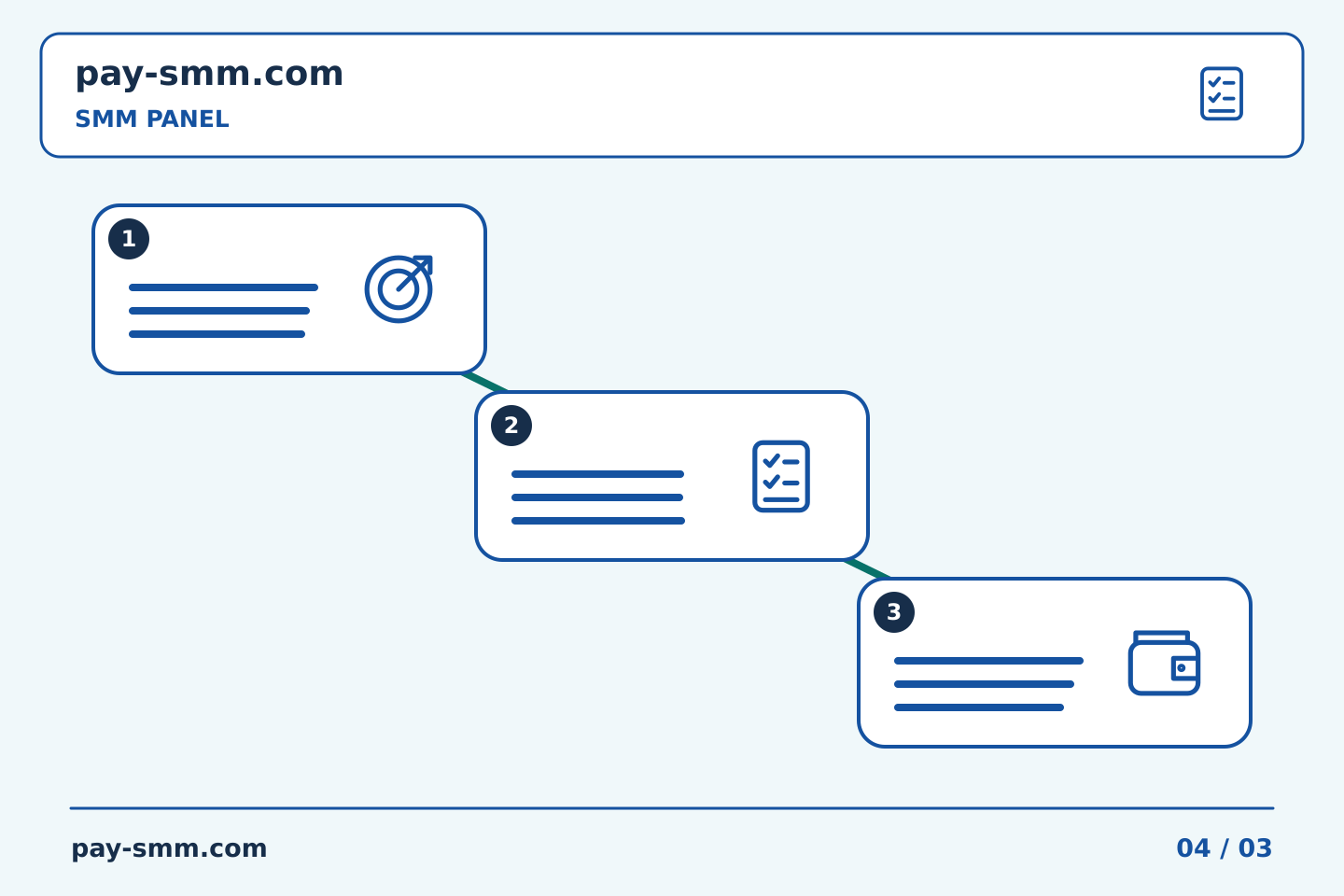
A balance change may be visible while its connection to an internal task still needs checking. Use available order and transaction references rather than assigning the amount from timing alone. Several activities close together can make an otherwise reasonable guess unreliable.
Preserve the original financial record and document the confirmed relationship separately. If the link remains unclear, ask a focused question instead of forcing the amount into a project total. Accurate attribution is more useful than a neat summary whose underlying references cannot be explained.
SMM Panel quantities: distinguishing a spending limit from a requested amount
A maximum allowance describes a boundary, not necessarily the desired purchase quantity. Ask which quantity is actually approved and compare its proposed charge with the limit. Do not automatically increase an instruction until it consumes every amount available in the budget.
Retain unused allowance as a planning fact separate from actual spending. If a larger quantity is proposed later, review the revised scope and conditions before purchasing. This gives the task owner control over the intended instruction rather than treating budget capacity as a requirement to spend.
Reconciling rounded estimates with an SMM Panel charge
Label the planned allowance as an estimate and retain the final displayed charge in its own field. Compare both before submitting. If the difference is meaningful for the approval, ask the responsible person to review it rather than silently treating a rounded amount as exact authorization for any nearby total.
After acceptance, record the actual purchase information and the approved reason for any revised allowance. Do not change historical estimates merely to make a worksheet appear consistent. A small explanatory note helps future reviews distinguish planning simplification from a change in the selected service or quantity.
SMM Panel approvals: confirming what a short client reply refers to
A brief reply such as yes can be ambiguous after a conversation containing several targets or prices. Identify the specific instruction being approved rather than choosing whichever option the operator last viewed. Keep the approval connected to a complete target, service, quantity and proposed charge.
If the reply does not clearly identify the choice, ask a concise confirmation before submitting. Preserve the agreed instruction with the accepted reference afterwards. Clear context prevents an informal acknowledgement from being interpreted as authority for more work than the client intended.
SMM Panel limits: questions to ask before splitting a large task
A maximum quantity does not automatically mean several simultaneous orders are suitable for the same target. Read any stated restrictions and ask about unclear overlap conditions. Keep the full intended task visible so the reviewer can assess the combined quantity rather than treating each smaller purchase as unrelated.
Record the proposed sequence, overall allowance and responsible operator before submitting anything. Use separate references for accepted orders and track their actual states. If the first instruction remains uncertain, resolve that uncertainty before proceeding with another purchase that may duplicate or overlap it.
Frequently asked questions
How should an estimate differ from the final purchase record?
Label an estimate as a planning figure and retain the reviewed charge and accepted transaction information separately. Preserve the currency and pricing basis where relevant. If the proposed amount or scope changes, obtain the appropriate approval rather than treating unused allowance as permission to spend more. Investigate unexplained adjustments using the available references instead of assigning them to a task by assumption.
Can a panel order establish that a campaign achieved its business goal?
An order record supports the operational facts it contains, such as the instruction and observed state. It does not alone demonstrate sales, satisfaction or audience understanding. Evaluate those questions with evidence appropriate to the business goal. A clear report can acknowledge an operational outcome while leaving broader conclusions open; there is no need to strengthen the language beyond what the records support.
What belongs in a useful support evidence set?
Start with the relevant order reference, the observed state, the check time and the precise question. Add images or other material only when they help explain that issue. Label each attachment and remove unrelated private details from the shared version. Keep historical observations distinct from current ones, and do not include passwords or API keys in ordinary task notes or support summaries.
Can previous research or an old support answer be reused?
It can provide background, but preserve the reference, date and scope of the earlier information. Check whether the current task and listing match that context before applying the conclusion. A useful knowledge note identifies both what was learned and its limits. When a material condition differs or remains unclear, seek a current clarification rather than extending an old answer beyond what it addressed.
What is the minimum useful handover for an unfinished task?
Include the approved task, accepted reference if known, latest observation and the unanswered question or next action. Assign a responsible contact and distinguish an unsubmitted idea from an uncertain submission. A good handover lets another operator continue the same work without recreating it. Account access should follow the authorized process rather than being improvised through credentials copied into the note.
Review current services — Pay SMM · Contact support
YouTube Analytics · YouTube Analytics
Some educational passages are adapted from our existing library. The diagrams were newly created for this website and article using shared design components; they are conceptual illustrations, not account screenshots or evidence of customer results.