
22/10/2026 18:03
Lining or Outer Pocket? TikTok Video Covers for Cambodian Pouch Shops

A customer remembers seeing the inside of a fabric pouch on your TikTok account. When they return, every preview shows a closed bag on the same table. They cannot tell which video explains the lining, which demonstrates the front pocket and which introduces a different size. For a Cambodian shop making or selling similar-looking accessories, this is a practical promotion problem: useful information exists, but the visitor struggles to identify it. Choosing a deliberate video cover can make that information easier to find. This workflow connects the buyer’s question, the selected frame and the actual demonstration, then explains how to evaluate the result without treating an SMM panel’s view delivery as evidence of customer understanding.
1. Give each cover one recognition task
Begin with the question the video answers. For a pouch shop, that might be whether the lining is removable, where the outer pocket opens or how the zipper closes around a corner. Write that question in the production notes before choosing a frame. A cover cannot explain every feature, but it should help someone recognize the relevant demonstration.
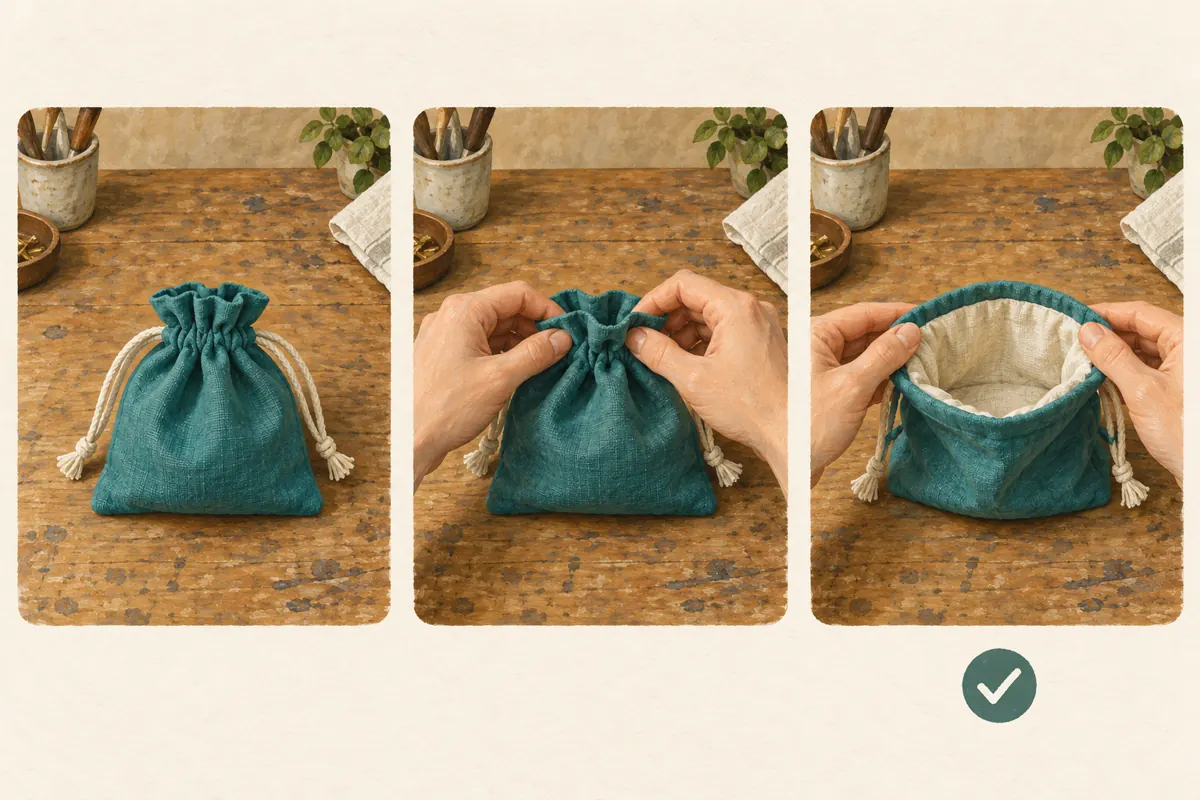
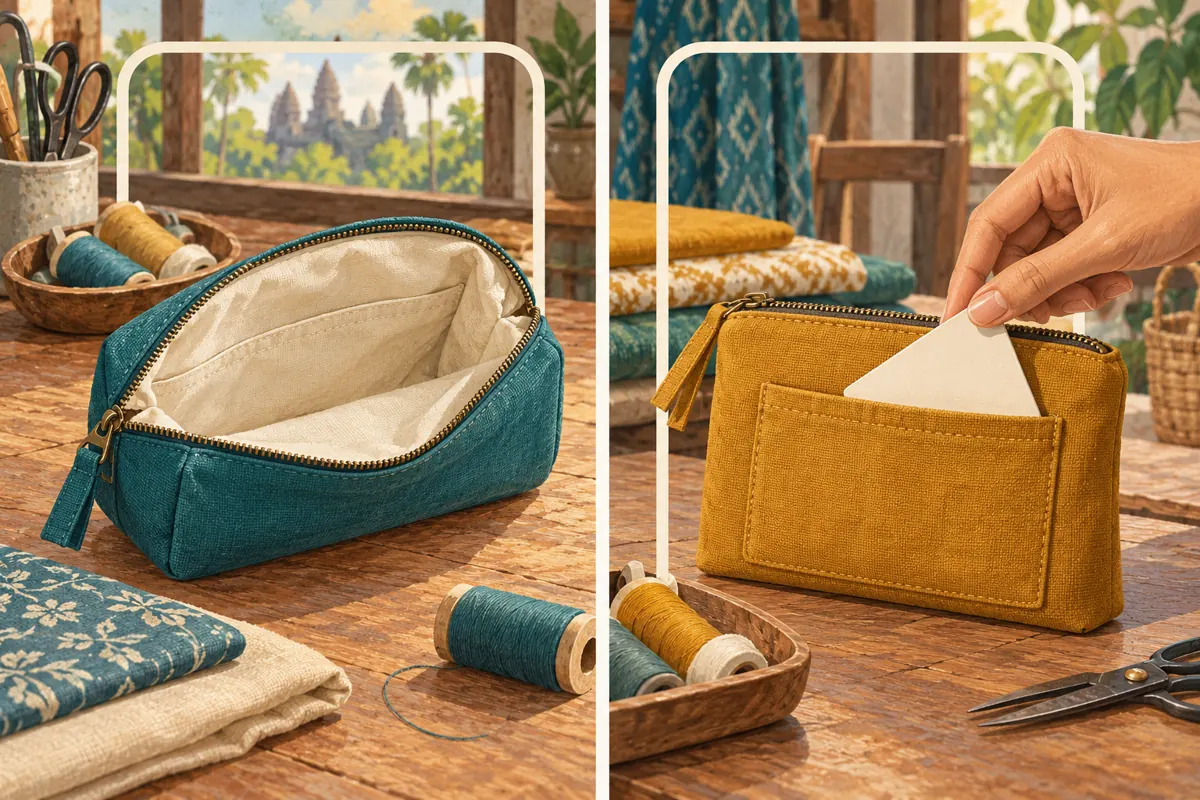
In a hypothetical Phnom Penh workshop, the owner has separate videos about a cream lining and an external card pocket. Both originally use an attractive closed-pouch frame. The owner chooses an open-mouth view for the lining demonstration and a visible pocket-opening view for the other. The change provides a visual distinction; it does not establish that either product is more popular or that sales will increase.
2. Understand where the cover helps
TikTok describes a video cover as the thumbnail preview used in places such as a profile or search results. Its official instructions explain selecting a frame before posting a new video. That makes cover selection useful when someone is browsing several previews and deciding which video to open. The supporting source is TikTok’s “Editing, posting, and deleting” help page, listed below.
Treat the cover as a wayfinding aid. The opening of the video still needs to establish what viewers are watching, and the demonstration must deliver the answer. Selecting a clear thumbnail does not prove that TikTok will recommend the post more widely. A visitor who starts watching through another route also needs understandable footage without relying on having seen the cover.
3. Record a frame that can stand alone
Plan the useful still moment while filming. For a lining demonstration, open the pouch enough to show the interior, keep fingers away from the relevant seam and hold the position briefly. For an outer-pocket demonstration, show the pocket edge and its relationship to the main compartment. A moment that looks obvious during movement may become ambiguous when frozen.
Use a background that separates the product from the work surface. Cream lining against a pale tabletop may need a darker cloth underneath, while a patterned pouch may benefit from a plain surface. Keep enough of the pouch visible to identify what the close-up belongs to. Avoid framing so tightly that a seam could be mistaken for a zipper or an unrelated fabric sample.
Record the actual item discussed in the video. If the demonstration uses a prototype, explain that status in the accompanying content. A polished cover should not quietly substitute a different pocket arrangement or lining material for the product buyers will receive.
4. Compare three candidate moments
Review the footage for a closed-product view, a transition view and a fully revealed feature view. The first may identify the item but hide the answer. The second may contain a hand covering the important detail. The third often makes the topic clearer, although the correct choice depends on what the video demonstrates. Do not automatically choose the most colourful frame.
Use three questions to decide: can someone identify the product, see the relevant feature and predict the video’s subject? Reject a candidate if it fails any of those checks. For a zipper-operation video, a clear view of the slider and track may work better than an open interior. For a lining video, the reverse may be true.
If no frame passes, improve the footage before posting. A short additional shot can be more useful than trying to rescue an unclear image with oversized text. Keep that shot relevant to the demonstration so the selected cover accurately represents the video.
5. Select the frame before publication
Follow TikTok’s documented sequence on the post screen: tap Select cover on the thumbnail, move the frame selector to the desired point in the video and tap Save. Recheck the selected preview before proceeding. These instructions concern choosing a frame for a new video; do not build your workflow around an assumed ability to replace every published cover later.
If the controls on your device differ, consult the current in-app help rather than borrowing instructions for a separate advertising interface. Keep the finished video file and a short note describing the intended frame, such as “pouch open, cream lining visible, fingers below seam.” That note lets the person preparing the post identify the correct moment without guessing.
Have the reviewer approve the cover alongside the video. An approval of the footage alone does not tell the posting colleague which still image best identifies its subject.
6. Match language and visual detail to Cambodian buyers
For a shop answering mainly Khmer-language enquiries, any cover wording should use terms those customers understand. Ask a fluent colleague to check the distinction between lining, inner pocket and outer pocket. A familiar spoken description may communicate more clearly than a technical sewing term. Where customers use mixed terminology, choose the shortest accurate wording rather than crowding several translations onto the image.
Make the picture carry the main distinction. Colour alone is insufficient when two models share the same fabric or when lighting changes how a shade appears. Show the opening, seam or compartment that differentiates the demonstration. Keep product codes consistent with the caption and the shop’s enquiry records, but do not make a tiny code the only identifying clue.
Avoid putting temporary stock or delivery promises into an otherwise reusable educational cover. Explain current availability separately, where staff can verify it before answering. A lining demonstration should remain understandable after a particular colour sells out.
7. Run a small-screen recognition check
Show the proposed cover at approximately the size someone would encounter while browsing a phone. Place it beside a few existing covers, then ask a colleague who did not edit the video to find the lining demonstration. Ask what they expect to learn before letting them watch. Their explanation reveals whether the image communicates the intended subject.
In a hypothetical Siem Reap pouch shop, a reviewer chooses the pocket video when asked to find the lining guide. The team notices that both previews show a hand inside a bag. They change the lining candidate to a wider interior view and retain the visible outer-pocket edge in the other. This is an illustrative correction process, not a reported customer result.
Record the specific confusion rather than a vague judgement such as “looks weak.” Useful notes include “pocket edge disappears at small size” or “hand covers the lining seam.” Change the detail responsible, then repeat the recognition task.
8. Keep SMM service claims outside the cover decision
The supplied public catalogue includes “TikTok - Video Views ~ Max Unlimited ~ 10M/Days ~ Instant ~ 𝐍𝐎 𝗥𝗘𝗙𝗜𝗟𝗟”. The title identifies a video-view listing, but its description is empty. The wording is not independent verification of delivery speed, capacity, retention, audience location or the nature of the viewers. Nothing in the supplied description establishes Cambodian targeting.
TikTok’s Integrity and Authenticity guidelines prohibit services that artificially boost engagement or manipulate its recommendation system. They also describe removing inauthentic signals and taking enforcement action against deceptive behaviour. A public panel listing therefore does not establish platform permission or official affiliation. Do not use artificial engagement as a method for testing whether a cover works.
Purchased engagement is not evidence of genuine interest, sales, ad delivery or Cambodian users. If a shop already has panel activity in its records, document it separately from the content review. A delivered view quantity cannot tell you whether someone recognized the pocket, understood the lining or intended to request a quote.
9. Review understanding without inventing causation
After publication, inspect the actual profile preview and open the post to confirm that it leads to the intended demonstration. Check whether the identifying detail remains visible at that displayed size. If the result is confusing, record the issue and review the editing options actually available before making further changes.
Use genuine enquiries to improve the next demonstration. A message asking whether the lining can be removed suggests an unanswered product question; a message identifying the correct model helps staff continue the conversation. Neither observation alone proves that the cover caused the enquiry. Keep interpretation modest, especially when the caption, posting time or footage also changed.
A lightweight review record can contain the video topic, selected frame, recognition-test feedback and recurring buyer questions. Keep enquiry outcomes separate: asking a question, requesting a quote and confirming an order are different events. Avoid presenting an increase in views as a substitute for those records.
10. Prevent the mistakes that make a profile harder to browse
A consistent visual style is useful until every cover becomes indistinguishable. Keep a similar background or lighting approach, but vary the feature shown according to the question. Reusing the same closed-product image for lining, capacity and pocket demonstrations forces visitors to open each video to discover the difference.
Another mistake is using a cover that promises more than the footage supports. A pouch beside water does not demonstrate waterproof construction, and a bulging bag does not establish a safe carrying capacity. Choose a frame that illustrates an observable feature. Put any supported qualifications in the video and accompanying description rather than relying on an impression.
Finally, do not delete and repost a useful guide impulsively because its cover looks untidy. First check the available correction options and consider where the existing link has been shared. If replacement is necessary, coordinate the references staff use when answering enquiries so buyers are directed to the intended guide.

Frequently asked questions
Should the cover show the finished pouch or a close-up?
Choose according to the question. A finished-product view suits an introduction to the overall shape. A feature demonstration usually needs a closer view, but retain enough context to identify the pouch. If the close-up could belong to almost any fabric item, pull back or choose another frame.
Does a clear cover need text?
No. A plainly visible pocket or lining may communicate the subject without wording. Add a short label only when it resolves a real ambiguity, using language customers understand. Check it at browsing size; text that is readable only in the editing preview adds little practical value.
Can the shop use the same cover style for every product?
Yes, provided the individual demonstrations remain distinguishable. Consistent lighting and backgrounds can make a collection coherent. Keep the subject-specific detail different: an open lining, an exposed outer pocket or a clearly shown zipper. Review neighbouring covers together before approving another similar image.
Will more views show that the new cover is better?
Not by themselves. View totals do not isolate the effect of a cover, and purchased views cannot establish comprehension or buying intent. Begin with a direct recognition check, then examine genuine questions for recurring confusion. Describe observations accurately without claiming a controlled comparison when several things changed.
What if the cover looks correct but buyers still ask about the wrong feature?
Review the whole explanation. The opening shot, spoken wording or caption may use a different term from the cover. Ask what the buyer means, then clarify the relevant compartment with an accurate demonstration. Use the misunderstanding to improve the next guide rather than assuming the customer ignored the content.
Explore the current service catalogue, create an account, or ask a specific question through support tickets.
- TikTok Help Center: Editing, posting, and deleting — Adding a video cover
- TikTok Community Guidelines: Integrity and Authenticity
Prepared with AI assistance. Illustrations explain the workflow and do not represent customer results.